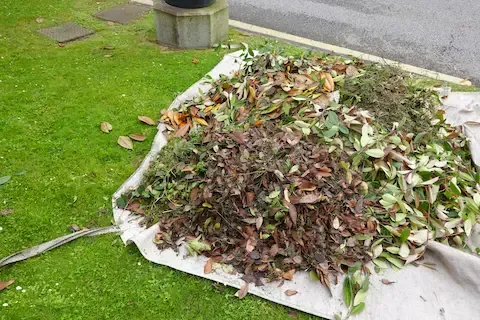
Yard Debris Cleanup in Dubuque IA: Storms, Limbs, Hauling
Yard debris accumulates quickly across Dubuque's neighborhoods, whether from seasonal leaf drop, storm damage, or routine pruning. The Mississippi River valley's climate creates unique challenges with heavy spring rains, summer storms, and dense fall foliage that can overwhelm property owners. Understanding proper cleanup methods, safety protocols, and disposal options helps maintain your property while protecting Dubuque's environmental standards.
Storm Debris Assessment and Safety
Storm aftermath requires careful evaluation before cleanup begins. Walk your property systematically, checking for downed power lines, unstable tree limbs, and structural damage to buildings or fences. Never attempt to move debris touching electrical lines or large branches still connected to trees overhead. Document damage with photos for insurance purposes before disturbing the scene.
Wear protective equipment including work gloves, safety glasses, and sturdy boots with good traction. Dubuque's clay-heavy soil becomes slippery when wet, creating hazardous conditions around debris piles. Long-sleeved clothing protects against thorns, splinters, and insects that shelter in fallen branches.
Check weather conditions before starting extensive cleanup work. High winds can shift unstable debris, while rain makes handling materials more difficult and dangerous. Plan cleanup sessions during calm, dry periods whenever possible to maximize safety and efficiency.
Equipment and Tools for Effective Cleanup
Essential tools vary depending on debris type and quantity. Hand tools include pruning shears for small branches, loppers for medium limbs up to two inches, and a pruning saw for larger cuts. Rakes work well for leaves and small twigs, while tarps facilitate moving large volumes efficiently.
Power equipment accelerates larger projects significantly. Leaf blowers clear debris from hard surfaces and gather materials into manageable piles. Chain saws handle fallen trees and large branches but require proper training and safety equipment. Wood chippers convert branches into mulch, though rental costs and safety considerations make this option suitable mainly for extensive cleanup projects.
Consider renting a small dump trailer or pickup truck for hauling if your regular vehicle lacks capacity. Many Dubuque hardware stores offer equipment rental by the day or weekend, providing access to professional-grade tools without the storage and maintenance requirements of ownership.
Debris Sorting and Organization
Separate debris into distinct categories for efficient disposal and potential recycling. Organic materials like leaves, grass clippings, and small twigs can be composted or used as mulch. Larger branches suitable for firewood should be cut to uniform lengths and stacked separately from waste materials.
Construction debris from damaged structures, including treated lumber, shingles, and metal components, requires separate handling and disposal routes. Mix these materials with organic debris can contaminate compost facilities and violate disposal regulations.
Create designated staging areas on your property for different debris types. Position these areas for easy truck access while avoiding damage to landscaping or drainage systems. Cover sorted piles during extended cleanup periods to prevent wind scatter and maintain neighborhood appearance standards.
Clay Soil Considerations and Property Protection
Dubuque's clay soil presents unique challenges during debris cleanup operations. Heavy equipment and repeated foot traffic compact clay when wet, creating drainage problems and root damage to existing plants. Avoid working on saturated ground, especially with wheelbarrows or small tractors that concentrate weight in small areas.
Place plywood sheets or tarps under staging areas to protect grass and prevent debris from mixing with soil. This approach simplifies final cleanup while preserving lawn quality underneath work zones. Remove protective coverings promptly after cleanup completion to prevent grass yellowing from lack of sunlight.
Clay's tendency to stick to tools and equipment increases cleanup time and equipment wear. Keep buckets of water available for cleaning tools during work sessions. Pressure wash equipment thoroughly after completion to prevent clay buildup that can damage moving parts over time.
Disposal Options and Local Regulations
Dubuque offers several disposal routes for yard debris depending on volume and type. The city's yard waste collection service accepts bagged leaves and bundled branches during designated seasons. Branches must be tied in bundles no longer than four feet and weighing less than fifty pounds each.
The Dubuque Metropolitan Area Solid Waste Agency operates facilities accepting larger quantities of yard debris. Check current hours and fees before loading trucks, as rates vary by debris type and resident status. Some materials require advance arrangements or special handling procedures.
Private hauling services provide convenient options for extensive cleanup projects or time-sensitive situations. Debris Cleanup services can handle sorting, loading, and disposal while ensuring compliance with local regulations and environmental standards.
Seasonal Cleanup Strategies
Spring cleanup focuses on winter damage assessment and preparation for growing season. Remove accumulated leaves from beds and drainage areas where they can block water flow and harbor pests. Prune damaged branches before new growth begins, making clean cuts that promote healthy healing.
Summer maintenance involves regular removal of storm debris and dead plant material. Address cleanup promptly after severe weather to prevent secondary damage from pest infestations or disease. Monitor trees for loose branches that could become hazardous during subsequent storms.
Fall represents the year's largest cleanup challenge with heavy leaf drop from Dubuque's mature tree canopy. Implement a systematic approach beginning with gutters and drainage areas, then addressing lawn areas, and finally bed spaces. Consider the complete autumn cleanup walkthrough for comprehensive seasonal maintenance strategies.
Common Mistakes and Safety Hazards
Rushing cleanup without proper planning leads to injuries and property damage. Take time to assess each debris pile thoroughly before handling, looking for hidden hazards like broken glass, metal fragments, or animal nests. Never lift debris by grabbing random handholds that might contain sharp edges or unstable sections.
Overloading vehicles or trailers creates safety hazards on Dubuque's hilly streets and compromises handling characteristics. Distribute weight evenly and secure loads with appropriate tie-downs rated for the load weight. Check local regulations regarding load height and securing requirements before traveling on public roads.
Burning debris violates city ordinances and creates fire hazards in residential areas. Even where burning might be legally permitted in rural areas, dry conditions and wind can quickly spread fires beyond control. Always use approved disposal methods rather than attempting to burn debris on your property.
Professional Services and When to Call
Extensive storm damage, large fallen trees, or debris involving power lines requires professional intervention. Tree service companies have specialized equipment and training for handling dangerous situations safely. Their insurance and licensing protect property owners from liability issues associated with complex cleanup operations.
Consider professional services when cleanup exceeds available time or physical capabilities. Large properties with extensive tree coverage can generate overwhelming debris volumes during major weather events. Professional crews work efficiently with appropriate equipment, completing in hours what might take homeowners entire weekends.
Some cleanup situations require permits or utility coordination that professionals handle routinely. Working near power lines, removing large trees close to structures, or disposing of hazardous materials involves regulations and procedures that licensed contractors understand thoroughly.
Effective yard debris cleanup in Dubuque requires understanding local conditions, using appropriate tools and techniques, and following proper disposal procedures. Whether handling routine seasonal maintenance or extensive storm cleanup, prioritizing safety and environmental responsibility ensures successful project completion while protecting your property and community resources. Planning ahead with proper equipment and knowledge of local services creates efficient cleanup processes that maintain Dubuque properties year-round.
