Fall Cleanup in Dubuque IA: Leaves, Beds, Lawn Prep
Fall cleanup in Dubuque requires strategic timing around Zone 5a frost patterns and clay soil drainage. Complete your cleanup between mid-October and early November, focusing on leaf removal before they mat down, perennial bed cutback after first hard frost, and lawn aeration while soil remains workable. This timing prevents spring disease issues and prepares your landscape for Iowa's variable winter conditions.
How do you time fall cleanup with Dubuque's frost schedule?
Monitor overnight temperatures starting in early October, as Dubuque typically sees first frost between October 10-20. Begin leaf removal immediately after trees reach 50% drop to prevent matting on grass. Schedule perennial cutback for 2-3 days after the first hard frost kills back tender growth. Complete lawn aeration by November 1st while clay soils remain workable.
Track weather patterns through late October, as Dubuque often experiences warm spells between frost events. These temperature swings affect cleanup timing - you'll want to avoid cutting back perennials during warm periods when plants might push new growth. Focus on leaf removal during these warmer windows when working conditions are more comfortable.
What's the most efficient leaf removal strategy for Dubuque properties?
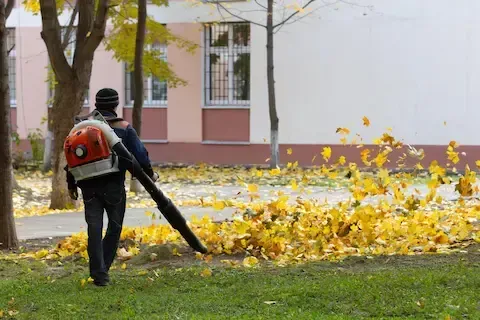
Start with backpack blowers to move leaves off turf areas and into planting beds or collection zones. Dubuque's mature tree canopy means heavy leaf volumes, so work systematically from back to front of the property. Mulch thin layers directly into garden beds using a mower, but remove thick accumulations that could smother plants or create pest habitat.
Time your Fall Cleanup around weekly pickup schedules, as the city provides enhanced leaf collection through November. Bag excess leaves for curbside pickup rather than burning, which requires permits and creates air quality concerns in residential areas. Consider composting moderate amounts in back yard areas away from structures.
Address problem areas like gutters and drainage swales first, as clogged systems cause ice damage during freeze-thaw cycles. Dubuque's clay soils shed water poorly, making proper drainage critical before winter precipitation arrives.
How do you cut back perennial beds without damaging spring growth?
Wait for hard frost to kill back tender perennial tops before cutting, typically occurring in late October. Cut most perennials to 2-3 inches above soil level, leaving enough stem to mark plant locations but removing disease-prone foliage. Leave ornamental grasses and plants with attractive seed heads like echinacea and black-eyed Susan for winter interest.
Clean up diseased plant material immediately and dispose in municipal waste rather than composting. Common Dubuque perennial diseases include powdery mildew on bee balm and black spot on roses - removing infected foliage prevents spring reinfection. Cut back hostas completely once foliage yellows, as slug eggs often overwinter in crown areas.
Apply 2-3 inches of shredded leaf mulch around tender perennials after cutback. Dubuque's Zone 5a rating means some perennials need extra winter protection, especially newer plantings or marginally hardy varieties. Avoid mulching too early while soil temperatures remain warm, as this can delay plant dormancy.
When should you complete final lawn aeration and overseeding?
Schedule core aeration between September 15 and October 15 while grass actively grows and soil moisture supports recovery. Dubuque's clay soils compact severely and benefit from annual fall aeration. Wait for soil moisture levels that allow plugs to extract cleanly - too wet and you'll create muddy mess, too dry and plugs won't pull properly.
Overseed immediately after aeration while soil temperatures remain above 50°F for germination. Choose cold-season grass varieties suited to Iowa conditions like tall fescue blends or perennial ryegrass. New seed needs 4-6 weeks of growth before hard frost, making early October the latest practical seeding date in Dubuque.
Apply starter fertilizer with aeration and overseeding, but avoid high-nitrogen feeds after mid-September that promote tender growth susceptible to winter injury. Focus on phosphorus and potassium to support root development and winter hardiness. Water new seed areas lightly but consistently until establishment.
What tree and shrub maintenance fits into fall cleanup schedules?
Prune dead, damaged, or diseased branches before winter storms create additional hazards. Avoid heavy pruning of spring-flowering shrubs like lilacs and forsythia, which set next year's flower buds during fall. Focus on removing water sprouts, crossing branches, and growth extending into walkways or structures.
Wrap tender trees and shrubs by Thanksgiving, as Dubuque's winter winds can cause significant desiccation damage. Use burlap screens around evergreens exposed to northwest winds, and apply anti-desiccant sprays to broadleaf evergreens like rhododendrons. Stake newly planted trees if root systems haven't fully established.
Complete deep watering of all woody plants before ground freeze, typically by mid-November in Dubuque. Clay soils hold moisture well but can become concrete-hard when frozen, preventing roots from accessing water during winter thaw periods. Apply 2-4 inch mulch rings around trees and shrubs after soil temperatures drop below 40°F consistently.
How do you prepare garden beds and planters for winter protection?
Remove annual flowers and vegetables after first killing frost, composting healthy plant material and disposing of diseased specimens. Clean containers thoroughly to prevent pest and disease carryover, and move tender potted plants to protected locations like unheated garages or cold frames.
Apply pre-emergent herbicides to perennial beds in late October to prevent winter annual weeds like henbit and chickweed from establishing. These weeds germinate during fall warm spells and become problematic in spring. Choose pre-emergents safe for established perennials and follow label timing recommendations.
Incorporate proper edging technique deep dive principles when defining bed edges before winter. Clean, defined edges prevent grass encroachment and make spring cleanup more efficient. Install or repair landscape edging while soil remains workable, as frozen ground makes installation difficult.
What final property preparations prevent winter damage?
Disconnect and drain garden hoses, shut off exterior water valves, and insulate exposed plumbing to prevent freeze damage. Dubuque regularly experiences sub-zero temperatures that can burst pipes and damage irrigation systems. Store hoses in heated areas and drain sprinkler systems using compressed air.
Service snow removal equipment before first snowfall, typically by late November. Change oil in snow blowers, check spark plugs and belts, and test electric starters. Dubuque averages 35 inches of snow annually with periodic heavy storms requiring reliable equipment. Stock ice melt supplies early as demand increases rapidly with first winter weather.
Secure outdoor furniture, decorations, and loose materials that could become projectiles during winter storms. Dubuque's location in the Upper Mississippi River Valley creates wind tunnel effects during severe weather. Store lightweight items in sheds or garages, and anchor items that remain outside.
Professional considerations for comprehensive fall cleanup
Large properties or those with extensive landscaping benefit from professional fall cleanup services that can complete tasks efficiently before weather windows close. Professional crews have specialized equipment like truck-mounted leaf loaders and core aerators that handle clay soils effectively.
Consider professional evaluation of mature trees for winter storm hazards, especially around structures or power lines. Certified arborists can identify weakened branches or structural issues that pose risks during ice storms or heavy snow loads common in eastern Iowa.
Budget for fall cleanup costs ranging from $200-800 depending on property size and scope of services. Professional services typically cost less than emergency repairs from winter damage caused by inadequate preparation. Quality fall cleanup investments pay dividends in reduced spring maintenance and healthier landscape establishment.
