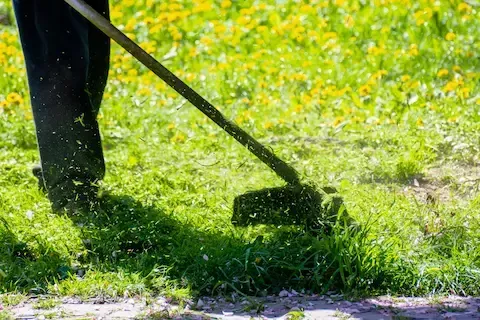
Edging and Trimming in Dubuque IA: Tools and Technique
Edging and trimming in Dubuque requires specific techniques for Iowa's Zone 5a climate and clay-heavy soils. Use a string trimmer for flexible edging around trees and beds, while a spade edger creates clean lines along walkways. Time your edging during active growth periods from May through September, and maintain consistent depth to prevent grass root damage in Dubuque's challenging soil conditions.
What Tools Work Best for Edging in Dubuque's Clay Soil?
Dubuque's clay-rich soil presents unique challenges for lawn edging that require specific tool selection. The dense, moisture-retentive clay becomes rock-hard when dry and sticky when wet, making timing and tool choice critical for effective results.
String trimmers offer the most versatility for Dubuque lawns, handling both wet clay conditions and the irregular terrain common in older neighborhoods near the Mississippi River. Gas-powered models provide consistent power through thick bluegrass and fescue stands typical in the area. Electric models work well for smaller properties but may struggle in heavy clay during dry periods.
Spade edgers excel for creating new borders along driveways and sidewalks, especially in Trinity Heights and Cathedral Square where established landscapes need defined edges. The cutting action slices through clay more effectively than wheel edgers, which tend to push and compress rather than cut cleanly.
Professional Edging And Trimming services recommend half-moon edgers for precision work around flower beds and tree rings. These tools allow controlled depth penetration essential for clay soil management without damaging established root systems.
How Do You Edge Around Trees and Landscape Features?
Tree edging in Dubuque requires careful consideration of the mature oak, maple, and ash trees common throughout the area. Start edging 18-24 inches from the trunk base to avoid surface root damage, creating a gradual transition zone that accommodates root flare.
Use a string trimmer held at a slight angle to feather the grass edge rather than creating an abrupt cutoff. This technique works particularly well around the large shade trees in Jackson Park and Eagle Point Park areas where root systems extend well beyond the drip line.
For landscape beds containing perennials and shrubs popular in Iowa gardens, maintain a 2-3 inch grass-free zone using a combination of trimming and manual edging. This prevents grass encroachment while allowing seasonal plants room to spread naturally.
Rock and hardscape features require different approaches. Use a spade edger for clean lines against retaining walls and decorative stone borders common in Dubuque's hillside properties. The precise cut prevents grass from growing into joints and crevices where removal becomes difficult.
What's the Proper Technique for String Trimmer Edging?
String trimmer edging technique varies significantly between Dubuque's wet spring conditions and summer dry periods. During May and June when clay soil retains moisture, hold the trimmer vertically and use the bottom portion of the string for clean cuts that don't throw debris.
Adjust your stance for Dubuque's sloped terrain, particularly in neighborhoods like Grandview and Langworthy where elevation changes affect trimmer control. Maintain steady forward movement to prevent scalping while allowing the string to do the cutting work.
For sidewalk and driveway edges, position the trimmer guard against the hard surface and walk at a consistent pace. This technique works especially well along the curved driveways common in Dubuque's residential areas, creating uniform edge depth.
Replace trimmer line frequently when working in clay soil conditions. The abrasive nature of dried clay dulls cutting effectiveness quickly, requiring fresh line every 30-45 minutes of continuous use for optimal results.
When Should You Edge During Dubuque's Growing Season?
Timing edging activities around Dubuque's weather patterns maximizes effectiveness while minimizing lawn stress. Begin regular edging in mid-May when soil temperature reaches 60 degrees and grass enters active growth, typically coinciding with lilac blooms throughout the city.
Schedule edging every 3-4 weeks during peak growing season from June through August. This frequency maintains clean lines without over-stressing grass during Dubuque's hot, humid summers when temperatures regularly reach 85-90 degrees.
Avoid edging during drought periods common in July and August unless using irrigation. Clay soil becomes extremely compacted when dry, making edging difficult and potentially damaging to grass root systems already stressed by heat.
Complete final edging by early September before grass growth slows for winter. This timing allows edges to heal before dormancy while maintaining appearance through fall when Dubuque's deciduous trees create heavy leaf coverage requiring additional maintenance.
How Do You Handle Dubuque's Challenging Soil Conditions?
Dubuque's clay soil requires modified edging techniques compared to sandy or loamy soils found in other regions. Water edges lightly 2-3 hours before edging during dry periods to soften clay without creating muddy conditions that clog equipment.
Adjust cutting depth based on soil moisture levels. In wet conditions, shallow cuts of 1-2 inches prevent soil compaction and root damage. During optimal moisture conditions, deepen cuts to 3-4 inches for longer-lasting edge definition.
Address drainage issues that commonly develop along edges in clay soil. Create slight grades away from hardscaping to prevent water pooling that leads to edge deterioration and grass die-back during Dubuque's heavy spring rains.
Consider your complete spring reset walkthrough timing when planning edging projects. Coordinate edging with other lawn maintenance to minimize soil compaction from repeated foot traffic on clay surfaces.
What Maintenance Keeps Edges Looking Professional?
Professional edge maintenance extends beyond initial cutting to include ongoing soil and grass health management. Remove grass clippings and debris from edge channels immediately after trimming to prevent decomposition that fills the cut and diminishes definition.
Apply a thin layer of mulch or decorative stone to landscape bed edges to suppress grass regrowth and maintain clean lines between maintenance sessions. This technique works particularly well in Dubuque's climate where cool, moist springs encourage aggressive grass growth.
Monitor edge integrity after heavy rains common during Iowa's spring and early summer seasons. Clay soil expansion and contraction can compromise edge definition, requiring touch-up work to maintain professional appearance.
Fertilize grass near edges carefully to prevent excessive growth that requires more frequent trimming. Use balanced fertilizers appropriate for bluegrass and fescue varieties common in Dubuque, applying according to soil test recommendations specific to local clay conditions.
How Do Weather Conditions Affect Edging Success?
Dubuque's variable weather patterns significantly impact edging effectiveness and timing. Spring conditions with alternating freeze-thaw cycles can heave soil and disturb previously established edges, requiring early season restoration work.
Summer thunderstorms common in the Mississippi River valley wash out loose soil from fresh edges. Plan edging projects to allow 24-48 hours of dry weather for soil to settle and grass roots to stabilize before heavy rain events.
Fall edging must account for leaf accumulation from Dubuque's mature tree canopy. Clear edges of leaves regularly to prevent matting that kills grass and creates uneven surfaces for spring maintenance.
Winter preparation includes final edge cleanup and debris removal before snow cover. Proper fall edge maintenance prevents spring surprises and reduces restoration work when growing season resumes in Dubuque's Zone 5a climate.
