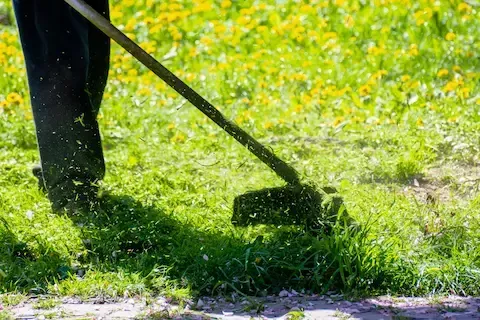
String Trimmer vs Edger: Which Wins for Dubuque IA Lawns
For Dubuque, IA lawns, a dedicated edger wins when you want clean, defined lines along driveways and sidewalks. A string trimmer is more versatile but less precise. On Dubuque's clay-heavy soils and Zone 5a bluegrass turf, a rotary edger cuts a consistent vertical groove that a trimmer held at an angle rarely matches. That said, most homeowners in the Dubuque area get strong results using a trimmer for weekly cleanup and an edger for periodic hard-line definition. The right choice depends on your lawn layout, how often you edge, and whether you want one tool or two.
What Is the Real Difference Between a String Trimmer and an Edger?
A string trimmer spins a nylon line on a horizontal plane and relies on you tilting the head vertically to cut a turf edge. An edger uses a fixed steel blade or hard disc that spins in a true vertical plane, running along a hard surface like a curb or concrete walk. The edger requires less operator skill to get a straight line. The trimmer demands more practice but handles more jobs — trimming around trees, fence posts, and garden beds that a wheeled edger cannot reach. In Dubuque neighborhoods like Asbury Road corridors or the older streets near the floodplain parks, lots often have tight corners and irregular curb lines where trimmer flexibility matters.
Which Tool Performs Better on Dubuque's Clay Soils?
Dubuque sits on heavy clay soils that compact easily and hold moisture. After a wet spring — common through April and May along the Mississippi bluffs — the soil along your sidewalk edge can be soft and uneven. A string trimmer on those soft edges can scalp or tear turf rather than cut cleanly. A blade edger bites into firm soil predictably and leaves a uniform trench. When the clay dries in July and August, that trench holds its shape better, requiring less frequent re-edging. If you are managing Kentucky bluegrass, which is the dominant cool-season turf in Zone 5a, clean edging also reduces lateral spread that bluegrass pushes aggressively toward hard surfaces.
When Does a String Trimmer Make More Sense?
If your Dubuque yard has garden beds, mature trees with surface roots, decorative fencing, or irregular landscape borders, a string trimmer is the practical everyday tool. You can transition from trimming grass height along a fence to edging a walkway in one pass, saving time. For weekly maintenance between harder edge cuts, a trimmer angled vertically cleans up light regrowth well. For homeowners on hillside lots — which are common in Dubuque given the bluff terrain — maneuvering a wheeled edger on a slope is difficult and sometimes unsafe. A handheld trimmer gives you better control on grade changes.
If you want professional results without managing two tools, consider Edging And Trimming services that use the right tool for each section of your property.
How Do the Two Tools Compare for Walkway and Driveway Results?
Side by side on a straight concrete sidewalk, an edger produces a more consistent result. The blade tracks the concrete edge with minimal drift. A skilled trimmer operator can match this, but it takes attention and steady hands. For Dubuque driveways made of asphalt — common in older residential areas near downtown — the edger's blade reference against the asphalt lip keeps the cut line true. Asphalt edges are less forgiving of an angled trimmer line that wanders. If crisp curb appeal is your goal before a home sale or neighborhood event, the edger is the more reliable tool for those linear surfaces.
What About Tool Maintenance in a Zone 5a Climate?
Both tools need end-of-season care before Dubuque winters. Trimmer line becomes brittle in cold storage if the spool is left loaded with old line through the off-season — replace it each spring. Edger blades dull from hitting concrete and gravel, especially on older Dubuque streets where aggregate has worked loose along the gutter edge. Sharpen or replace steel blades annually. For gas-powered versions of either tool, drain fuel before winter storage to prevent varnish buildup in the carburetor. Battery-powered tools — increasingly popular due to noise ordinances in some Dubuque residential zones — should have batteries stored at partial charge in a temperature-controlled space, not an unheated garage through January.
For a deeper look at technique and tool selection together, the edging technique deep dive covers how to get the best results from either tool on local turf conditions.
Which Should You Buy If You Can Only Choose One?
For most Dubuque homeowners managing a standard residential lot with concrete sidewalks and a defined driveway, a string trimmer is the better single-tool investment. It handles more tasks and lets you edge adequately with practice. Add an edger if you maintain a larger property, want truly sharp curb-to-turf lines all season, or edge more than once a week. If you only edge a few times per season and your walkways are short, the trimmer is enough. Professionals and homeowners with corner lots or high-visibility frontage on busier Dubuque streets — like those along JFK Road or University Avenue — often find the edger pays for itself in consistent appearance.
