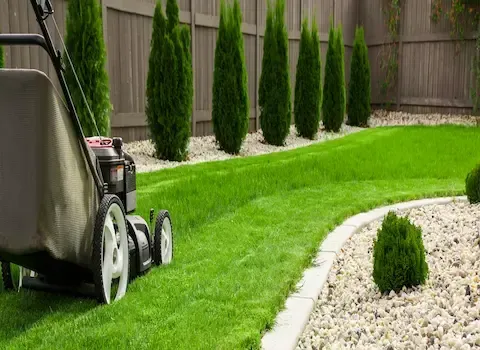
Spring Mowing Heights for Dubuque IA Bluegrass Lawns
Setting the correct mowing height for your Dubuque bluegrass lawn in spring determines how well your grass recovers from Iowa's harsh winter conditions and prepares for the growing season ahead. After months of snow cover and freeze-thaw cycles that stress grass crowns, your first cuts of the season require careful attention to blade height settings.
Optimal Spring Mowing Heights for Dubuque Bluegrass
Kentucky bluegrass, the predominant turf type in Dubuque lawns, performs best when maintained at 2.5 to 3.5 inches during spring months. This height range allows the grass to develop strong root systems while shading out early spring weeds that compete for nutrients and moisture.
For your first spring mowing, set your mower deck to 3 inches minimum. Bluegrass emerges from dormancy slowly in Zone 5a conditions, and cutting too short in early April can shock the plant and delay green-up. The taller initial cut protects the growing points while allowing sunlight to reach new shoots.
Perennial ryegrass mixed into Dubuque lawns should follow similar height guidelines, though ryegrass tolerates slightly shorter cuts once established. Maintain ryegrass areas at 2.5 to 3 inches throughout spring for optimal density and color.
Adjusting Height Through the Season
As soil temperatures warm and growth accelerates in late April and May, you can gradually lower cutting height to 2.5 inches if desired. However, many Dubuque homeowners find that maintaining 3-inch height year-round produces the healthiest, most drought-resistant lawn with fewer weed issues.
Professional Lawn Mowing services in the area typically recommend staying at the higher end of the range during spring establishment period, then adjusting based on individual lawn conditions and homeowner preferences.
Spring Mowing Frequency and Timing
Begin mowing when your Dubuque bluegrass reaches 4 to 4.5 inches in height, typically occurring in mid to late April depending on spring weather patterns. Never remove more than one-third of the blade length in a single cutting session, as this stresses the plant and reduces its ability to photosynthesize effectively.
During peak spring growth in May, you may need to mow twice weekly to maintain proper height without violating the one-third rule. Dubuque's spring rainfall combined with warming soil temperatures can produce rapid grass growth that requires frequent attention.
Morning mowing works best when dew has dried but before afternoon heat stress occurs. Wet grass cuts poorly and can spread fungal diseases common in Iowa's humid spring conditions.
Equipment Considerations
Sharp mower blades are essential for spring cutting. Dull blades tear grass rather than cutting cleanly, creating brown tips and entry points for disease. Have blades professionally sharpened before your first spring mowing session, and consider a mid-season sharpening if you notice frayed grass tips.
Mulching mowers work well for spring cutting when grass growth is moderate. However, during periods of heavy growth, side discharge or bagging may be necessary to prevent excessive thatch buildup and clumping that can smother grass underneath.
Post-Winter Recovery Considerations
Dubuque lawns often show winter damage in the form of brown patches, matted areas, or thin spots after snowmelt. Your spring mowing approach should account for these stressed areas while promoting overall recovery.
Avoid mowing over saturated soil conditions common in early spring. Wet soil compacts easily under mower weight, reducing air and water movement to grass roots. Wait until you can walk across the lawn without leaving deep footprints before beginning mowing operations.
Areas showing winter kill or significant thinning benefit from higher cutting heights to encourage tillering and lateral growth. These damaged sections need every advantage to compete with weeds and fill in bare spots naturally.
Common Spring Mowing Mistakes
Many Dubuque homeowners make the mistake of cutting too short on their first spring mowing, thinking it will promote faster green-up. This practice actually slows recovery and weakens the grass when it needs maximum energy for new growth.
Mowing too frequently in early spring before grass has fully awakened can also stress plants. Wait for consistent growth before establishing regular mowing schedules, even if the lawn appears uneven in early April.
Another common error involves mowing wet grass to stay on schedule. Patient homeowners who wait for proper conditions achieve better results than those rushing to maintain rigid mowing calendars regardless of weather.
Weed Prevention Through Proper Height
Maintaining proper mowing height serves as your first line of defense against spring weeds. Taller grass shades soil and prevents light-sensitive weed seeds from germinating. This natural suppression reduces your need for chemical interventions later in the season.
Dandelions, plantain, and other broadleaf weeds struggle to establish in thick, properly maintained bluegrass stands. Your mowing height directly influences grass density and competitive ability against these invaders.
Professional Mowing Considerations
Many Dubuque property owners choose professional mowing services to ensure consistent height maintenance and proper timing throughout the spring season. Professional crews understand local grass types, soil conditions, and weather patterns that influence optimal mowing practices.
When selecting a mowing service, verify they understand bluegrass height requirements and use properly maintained equipment. Ask about their spring startup procedures and how they handle varying lawn conditions across different Dubuque neighborhoods.
For detailed guidance on mowing frequency and seasonal scheduling, consult our full mowing primer that covers year-round lawn care practices specific to eastern Iowa conditions.
Long-term Lawn Health Benefits
Proper spring mowing height establishes the foundation for your lawn's performance throughout the entire growing season. Grass that emerges from spring with strong root systems and dense growth better withstands summer heat stress and fall disease pressure.
Consistent height maintenance also improves soil health by providing steady organic matter through clipping decomposition. This natural fertilization reduces your need for synthetic inputs while building soil biology that supports grass health.
Your spring mowing decisions directly impact water efficiency, pest resistance, and overall lawn resilience. Taking time to set proper heights and follow best practices pays dividends in reduced maintenance requirements and superior lawn quality throughout the year.
