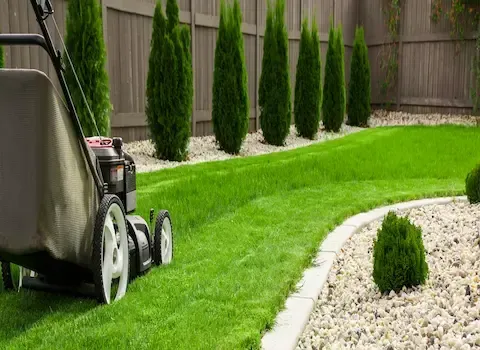
Lawn Mowing in Dubuque IA: Frequency, Cost, Equipment
Maintaining a healthy lawn in Dubuque requires understanding the unique growing conditions of eastern Iowa's Zone 5a climate. Your mowing frequency, equipment choices, and seasonal schedule must account for the region's clay-heavy soils, variable spring weather, and the cool-season grasses that thrive along the Mississippi River bluffs.
Understanding Dubuque's Mowing Season
The mowing season in Dubuque typically runs from mid-April through late October, with peak growth occurring during the cool, moist conditions of spring and fall. Kentucky bluegrass and tall fescue, the dominant lawn varieties in the area, experience their most vigorous growth when temperatures range between 60-75°F.
Spring mowing usually begins in mid to late April, depending on soil conditions after snowmelt. The clay soils common throughout Dubuque retain moisture longer than sandy soils, which can delay the first cut if conditions remain too wet. Your first mowing should occur when grass reaches 3-4 inches in height, cutting it back to 2.5-3 inches.
During peak growing season from May through June, you'll likely need to mow weekly. Summer heat typically slows growth, allowing you to extend intervals to every 7-10 days. Fall brings another period of active growth as temperatures cool, requiring a return to weekly mowing through September and into early October.
Optimal Mowing Frequency Throughout the Season
Your mowing schedule should follow the one-third rule: never remove more than one-third of the grass blade length in a single cutting. This principle becomes especially important during periods of rapid growth when Dubuque's cool, humid conditions favor vigorous grass development.
During spring growth surges, typically occurring in May, you may need to mow twice weekly to maintain proper height without shocking the grass. Monitor your lawn's growth rate rather than adhering to a rigid schedule. If grass grows beyond 4 inches between cuttings, increase your frequency temporarily.
Summer mowing intervals can extend to 10-14 days during drought conditions or periods of extreme heat. However, maintain consistent cutting height even when growth slows. The recommended height for Kentucky bluegrass in Dubuque is 2.5-3 inches, while tall fescue should be maintained at 3-4 inches.
Fall mowing requires attention to leaf management as well as grass cutting. The mature oak, maple, and hickory trees throughout Dubuque's established neighborhoods drop significant leaf cover that should be mulched or removed during mowing to prevent grass suffocation.
Equipment Selection for Local Conditions
Choosing the right mowing equipment depends on your lawn size, terrain, and budget. For typical Dubuque residential lots ranging from quarter-acre to half-acre, a 21-inch walk-behind mower provides adequate cutting width while maintaining maneuverability around landscape features.
Self-propelled mowers offer significant advantages when dealing with the slopes common in Dubuque's hilly terrain. Properties near the bluffs or in neighborhoods with significant grade changes benefit from the added traction and reduced operator fatigue that self-propelled units provide.
Lawn Mowing professionals often recommend mulching mowers for Dubuque conditions. These units chop grass clippings into small pieces that decompose quickly, returning nutrients to the soil. This approach works particularly well with the area's clay soils, which benefit from the organic matter addition.
For larger properties exceeding one acre, zero-turn or riding mowers become more practical. However, ensure your chosen equipment can handle wet conditions, as Dubuque's spring weather often creates extended periods of high soil moisture that can challenge lighter equipment.
Cost Considerations for Homeowners
Professional lawn mowing services in Dubuque typically charge $35-60 per visit for average residential properties, with pricing based on lot size, terrain difficulty, and additional services like edging or leaf management. Seasonal contracts often provide better value than per-visit pricing.
DIY mowing costs include equipment purchase or maintenance, fuel, and time investment. A quality walk-behind mower suitable for Dubuque conditions ranges from $400-800, while self-propelled units cost $600-1,200. Factor in annual maintenance costs of $75-150 for tune-ups, blade sharpening, and minor repairs.
Fuel costs vary with mowing frequency and equipment efficiency. Expect to spend $50-100 annually on gasoline for typical residential mowing, assuming weekly cuts during the growing season. Electric mowers reduce fuel costs but may require battery replacement every 3-5 years.
Time investment for DIY mowing typically ranges from 30 minutes to 2 hours per session, depending on property size and complexity. Include additional time for equipment maintenance, seasonal storage preparation, and spring startup procedures.
Common Mowing Mistakes in Dubuque
Many homeowners make the mistake of mowing too early in spring when soils remain saturated from snowmelt. Walking or driving equipment on wet clay soils causes compaction that restricts root growth and water infiltration throughout the growing season. Wait until soil surfaces firm up and tire tracks don't leave deep impressions.
Cutting grass too short, especially during summer stress periods, ranks among the most damaging mowing practices. Scalped lawns struggle to photosynthesize effectively and become more susceptible to drought stress, disease, and weed invasion. Maintain recommended heights even when trying to reduce mowing frequency.
Failing to adjust mowing patterns creates ruts and encourages grass to lean in one direction. Alternate your mowing direction each time you cut, creating a checkerboard pattern that promotes upright growth and even wear distribution.
Dull mower blades tear grass rather than cutting cleanly, creating brown-tipped, ragged edges that invite disease and moisture loss. Sharpen blades at least twice per season, or more frequently if you encounter rocks or other debris common in Dubuque's established neighborhoods.
Local Timing and Seasonal Adjustments
Dubuque's location in USDA Zone 5a creates specific timing requirements for lawn care activities. Begin the season with your first cut when forsythia blooms appear, typically indicating that soil temperatures have warmed sufficiently for grass growth.
Spring cleanup and first mowing should wait until soils drain adequately after snowmelt. The clay-heavy soils throughout much of Dubuque retain moisture longer than sandy soils, potentially delaying the season start by 1-2 weeks compared to surrounding areas with better drainage.
Summer mowing adjustments become necessary during the hot, humid periods common in July and August. Raise cutting heights by half an inch during extreme heat to provide additional insulation for grass roots and reduce evaporation from soil surfaces.
Fall mowing extends later than in more northern climates, often continuing through mid to late October. However, final cuts should occur before hard freezes arrive, typically by early November. Cut slightly shorter for the final mowing of the season to reduce disease pressure over winter.
Professional Service Considerations
Hiring professional mowing services makes sense for homeowners who lack time, equipment, or physical capability to maintain their lawns consistently. Professional services typically provide more reliable scheduling and equipment maintenance than DIY approaches.
When evaluating mowing services, consider their familiarity with local grass types and growing conditions. Contractors experienced with Dubuque's climate understand the importance of proper timing, height settings, and wet weather protocols that protect your lawn investment.
Professional services often bundle mowing with other maintenance tasks like edging, trimming, and seasonal cleanup. These packages can provide better value than hiring separate contractors for different tasks, while ensuring coordinated care throughout the growing season.
Insurance and bonding provide important protections when hiring lawn care professionals. Verify that contractors carry appropriate liability coverage and worker's compensation insurance before beginning service relationships.
Long-term Lawn Health Strategy
Consistent mowing practices contribute to long-term lawn health by promoting dense growth that crowds out weeds and resists environmental stresses. Proper mowing height encourages deep root development, particularly important in Dubuque's clay soils where root penetration can be challenging.
Seasonal adjustments to mowing practices support grass health through varying weather conditions. Higher cutting heights during summer stress periods reduce water loss, while appropriate spring and fall management promotes recovery and winter hardiness.
Equipment maintenance ensures consistent cutting quality that supports grass health. Regular blade sharpening, engine tune-ups, and proper storage protect your investment while ensuring optimal performance when weather conditions permit mowing.
Understanding your specific lawn's needs based on grass type, soil conditions, and microclimate helps you develop an effective mowing schedule that promotes healthy growth while minimizing maintenance requirements throughout Dubuque's challenging growing season.
