May Edging Cleanup Schedule for Dubuque IA Walkways
May Growth Patterns in Zone 5a Dubuque
May represents the peak growth season for your Dubuque walkways and driveway edges. Zone 5a conditions create rapid grass expansion, particularly with Kentucky bluegrass and fine fescue varieties common throughout the area. Your edging schedule needs to account for the aggressive growth patterns that emerge once soil temperatures consistently reach 55-60 degrees, typically occurring in the second week of May.
Dubuque's spring moisture levels, combined with longer daylight hours, trigger accelerated lateral growth in lawn edges. This means your walkway borders will require more frequent attention than the standard bi-weekly schedule most homeowners follow during summer months. The key lies in understanding when growth spurts occur and adjusting your Edging And Trimming frequency accordingly.
Temperature fluctuations throughout May also influence growth rates. Cool nights followed by warm days create ideal conditions for grass blade elongation and root expansion. Your edging schedule should anticipate these patterns rather than react to overgrown edges after they've already compromised your walkway's appearance.
Weekly Edging Schedule Framework
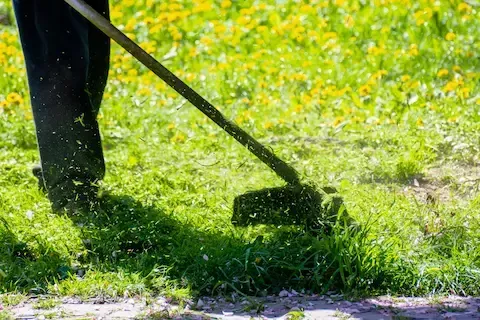
Week one of May typically requires light edging to establish clean lines after any winter damage or early spring growth. Focus on redefining edges along main walkways and high-visibility areas like front entrance paths. Use a string trimmer with a fresh line for precise cuts, maintaining a 90-degree angle to create sharp definition.
Week two marks the beginning of accelerated growth. Plan for your primary edging session during this period, covering all walkway perimeters, driveway borders, and patio edges. This timing catches grass before it establishes thick root systems that require more aggressive cutting later in the month.
Week three demands increased frequency due to peak growth conditions. Consider splitting your edging into two sessions: mid-week touch-ups for high-traffic areas and weekend comprehensive edging for complete property coverage. This approach prevents the overwhelming task of cutting through thick, established growth.
Week four focuses on maintenance edging with preparation for June's sustained growth patterns. Establish consistent edge depths during this period to create lasting definition that withstands summer heat stress and reduced growth rates.
High-Growth Period Adjustments
Dubuque's typical high-growth weeks occur during the third and fourth weeks of May when soil moisture remains optimal and temperatures stabilize in the 65-75 degree range. During these periods, increase your edging frequency to every 4-5 days for premium appearance maintenance.
Morning edging sessions prove most effective during high-growth periods. Grass blades contain maximum moisture content in early morning hours, making them easier to cut cleanly. Additionally, morning sessions allow cut grass to dry throughout the day, reducing the clumping that can occur when edging damp afternoon growth.
Monitor weather patterns closely during these weeks. Extended periods of warm, humid conditions accelerate growth beyond normal schedules. Conversely, unexpected cool snaps or drought conditions may allow you to extend intervals between edging sessions without compromising appearance.
Your edging technique deep dive becomes crucial during high-growth periods when precision matters most for maintaining clean lines.
Bluegrass Spread Pattern Considerations
Kentucky bluegrass, prevalent throughout Dubuque lawns, exhibits distinct spreading characteristics that affect your edging strategy. This grass variety spreads through underground rhizomes, creating dense edge growth that requires specific cutting approaches.
Bluegrass rhizomes extend 2-3 inches beyond visible grass lines, meaning your edging cuts should penetrate soil depth to prevent immediate regrowth. Create a slight backward angle when edging bluegrass areas to discourage rapid edge reestablishment.
Fine fescue areas, common in shadier walkway sections around mature trees in older Dubuque neighborhoods, require different timing. These grasses grow more slowly but create denser edge masses when left unattended. Plan for deeper cuts less frequently rather than frequent shallow trimming.
Mixed grass areas need customized approaches based on the dominant variety. Observe growth patterns in different sections of your property to develop zone-specific edging schedules that account for varying grass types and their unique spreading behaviors.
Weather Integration Strategies
Dubuque's unpredictable May weather requires flexible edging schedules that adapt to conditions rather than rigid calendar adherence. Track soil moisture levels and adjust timing based on growth acceleration or slowdown periods.
Plan edging sessions 24-48 hours after significant rainfall when possible. This timing allows soil to firm up enough for clean cuts while maintaining grass moisture for easier trimming. Avoid edging immediately after heavy rains when soft soil can create uneven cuts and equipment tracking issues.
Wind patterns affect edging efficiency and results. Strong winds can blow cut grass clippings back onto cleaned edges, requiring immediate cleanup to prevent decomposition staining. Schedule edging during calmer morning or evening hours when possible.
Temperature considerations extend beyond growth rates to equipment performance. String trimmers operate more efficiently in moderate temperatures, and extreme heat can cause line to become brittle and break more frequently.
Equipment Maintenance Scheduling
May's intensive edging schedule demands corresponding equipment attention to maintain efficiency and results. Plan weekly string trimmer maintenance including line replacement, air filter cleaning, and spark plug inspection.
Blade sharpening becomes critical during peak growth periods when dull equipment creates ragged cuts that promote disease and uneven regrowth. Sharp blades also reduce equipment strain and improve fuel efficiency during extended edging sessions.
Stock adequate replacement parts before May begins. String line consumption increases dramatically during high-growth weeks, and equipment downtime for repairs can disrupt carefully planned edging schedules.
Safety equipment maintenance deserves equal attention. Eye protection, hearing protection, and appropriate footwear become essential during frequent edging sessions when fatigue can lead to accidents or injuries.
