
Keeping Peosta Lawns Healthy and Driveways Clear Through Every Season
Managing New Turf on Peosta's Rapidly Expanding Lots
Rapid subdivision development across Peosta has produced hundreds of residential lots where builder-grade sod sits on graded clay fill that has had minimal time to develop organic matter or healthy soil structure. Properties in Royal Oaks, Oak Park, Thunder Valley, and the newer Timber-Hyrst development share a common challenge: topsoil was often stripped during grading and replaced with a thin veneer that supports initial growth but struggles through the stress of Zone 5a summers without consistent care. Walkout ranch designs dominate the housing stock, and the sloped rear yards on these properties create drainage patterns that channel water toward lower lawn sections, saturating turf and creating soft areas that rut under mower wheels if crews run equipment on a rigid schedule regardless of soil conditions. The open terrain surrounding Peosta means wind exposure is constant, accelerating moisture loss from turf surfaces during June through August. Bluegrass-ryegrass blends that thrive in established Dubuque neighborhoods can thin noticeably on Peosta lots where compacted subsoil restricts root penetration below the first few inches. Lawn care on these properties means adapting mowing height, aeration timing, and seasonal treatment schedules to account for soil conditions that established neighborhoods have long since resolved through decades of organic accumulation. Getting turf dense and resilient on newer Peosta lots takes deliberate intervention during the critical first five to seven growing seasons after construction.
Snow and Ice Realities Along the Highway 20 Corridor
Winter conditions across Peosta bring the full weight of Dubuque County snowfall onto properties that sit at slightly higher elevation and fully exposed to prevailing winds from the northwest. Drifting is a persistent issue on the open lots that characterize Peosta subdivisions, with snow accumulating against garage doors, fence lines, and landscape retaining walls in volumes that significantly exceed measured snowfall totals. The Highway 20 corridor funnels wind through the community, and properties along the northern and western subdivision edges catch the worst of it during prolonged storm events. Wide driveways paired with walkout-level garage entrances require careful plow angle management to push snow downhill without packing it against lower-level walls or window wells. Sidewalk clearing obligations apply to every residential property, and the extended frontages on corner lots and cul-de-sac positions increase the linear footage that needs attention after each storm. Peosta sits at the outer range for many Dubuque-based service providers, which means response times on per-storm pricing can stretch when operators prioritize closer routes first. Seasonal contracts eliminate that uncertainty by locking in service priority and a fixed rate for the entire November-through-March window. De-icing compounds need careful selection on Peosta properties because so much of the concrete is less than ten years old and more susceptible to surface scaling from over-application or inappropriate product chemistry.
Mowing and Turf Management for New Subdivisions
Mowing across Peosta developments demands attention to how recently graded properties behave under regular equipment use. Walkout lots with rear slope grading require mowing patterns that work across the grade rather than straight downhill, preventing wheel ruts that channel water and create erosion lines during heavy rain events. The clay-dominant soil profile means ground conditions shift dramatically between wet and dry periods, and scheduling flexibility matters more here than in established neighborhoods where decades of organic buildup provide more consistent bearing capacity. Blade height stays at three inches or above on new turf to promote root depth development in compacted subsoil, and mowing frequency adjusts based on growth rate rather than a fixed weekly calendar. Properties in Thunder Valley and Oak Park feature large front and rear lawn areas that benefit from commercial walk-behind and riding equipment matched to lot size and terrain, with crew assignments that keep the same team on the same properties for pattern consistency. Edging along freshly poured driveways and sidewalks runs every visit during peak season because bluegrass rhizome spread in these conditions is aggressive and unchecked growth over hardscape edges looks neglected within two weeks. Clipping management defaults to mulch-mowing, returning organic nitrogen to nutrient-depleted builder soil, unless rain delays have pushed growth beyond a manageable cutting height where bagging prevents clump formation.
Seasonal Transition Services for Walkout Properties
Transitional services on Peosta walkout properties address the specific vulnerabilities that sloped lots and new construction create during seasonal shifts. Fall cleanup covers complete leaf removal, clearing debris from window wells on walkout-level walls, cutting back foundation plantings, and performing a final mow at reduced height to prepare turf for dormancy. The lower-level exposure on walkout designs traps wet leaves and organic debris against walls and around egress windows, and leaving that material through winter creates moisture problems that extend beyond just lawn health. Gutter and downspout discharge zones need clearing because concentrated runoff from newly installed gutter systems scours turf on slopes that lack the established root structure to resist erosion. Spring cleanup begins when ground conditions allow foot traffic without compaction damage, typically late March in Peosta's slightly elevated and well-drained terrain. The process includes raking dead grass and thatch, removing salt residue that tracked from driveways onto adjacent lawn areas during winter, clearing branches from ice storm damage, re-edging beds where frost heaving shifted borders, and an initial mow at taller height to stimulate root growth before summer stress. New-construction landscapes show frost-heave effects more visibly than established properties because soil settlement is still ongoing, and spring is the right time to assess and address uneven areas before mowing season starts in earnest.
Driveway and Sidewalk Snow Clearing in Open Terrain
Snow clearing in Peosta means managing the open-exposure conditions and newer infrastructure that define this rapidly growing community. Driveway aprons on walkout properties require plow approaches that direct snow away from lower-level garage doors and window wells, using angled passes that push accumulation toward designated staging areas rather than packing it against structural walls. The extended sidewalk frontages through Peosta subdivisions generate significant linear footage that needs clearing and de-icing after each storm event, and corner lot properties face double or triple the walkway length of mid-block homes. Wind-driven drifting from the agricultural land surrounding Peosta means measured snowfall totals understate the actual accumulation that reaches driveways, walkways, and fence lines on properties along the western and northern edges of the developed area. Early morning clearing runs begin before five on overnight storm events, targeting completion ahead of the commute for contract customers who need accessible driveways and clear walkways when they leave for work. De-icing applications use calcium chloride blends at calibrated rates appropriate for newer concrete surfaces, reducing the risk of spalling and scaling that occurs when less precise operators apply rock salt at heavy concentrations on slabs less than five years old. Seasonal contracts cover the full November through March window and include all storm responses regardless of frequency, providing cost certainty through Dubuque County winters that average over forty-four inches of total snowfall.
Comprehensive Lawn Care And Snow Removal Services in Dubuque
Tailored to Your Needs
From weekly mowing and seasonal cleanups to full-service snow removal and de-icing, we cover every outdoor maintenance need your Dubuque property faces throughout the year. Each service is built around the specific conditions of our area including Zone 5a turf management, clay soil challenges, and heavy Iowa winters.
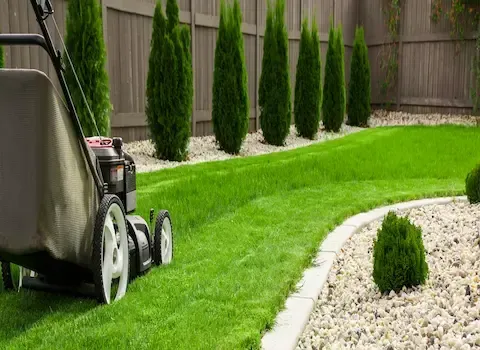
Weekly mowing tailored to Dubuque's Zone 5a turf and clay soil conditions.
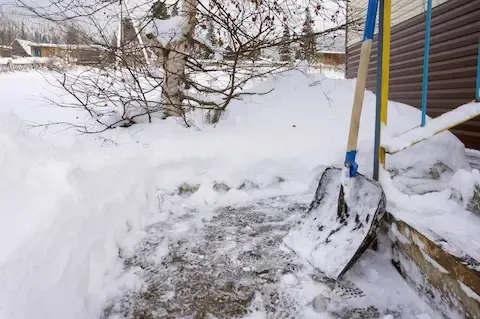
Safe, clear pathways from your door to your driveway after every Dubuque snowfall.
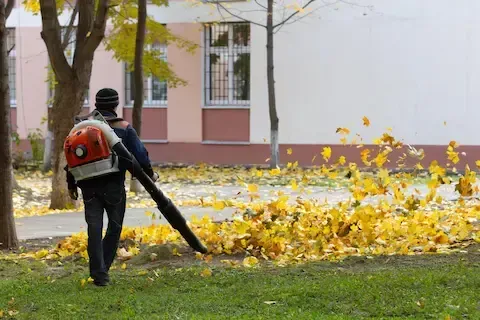
Complete leaf and debris removal to protect your Dubuque lawn through winter.

Post-winter recovery service to get your Dubuque lawn growing strong from day one.
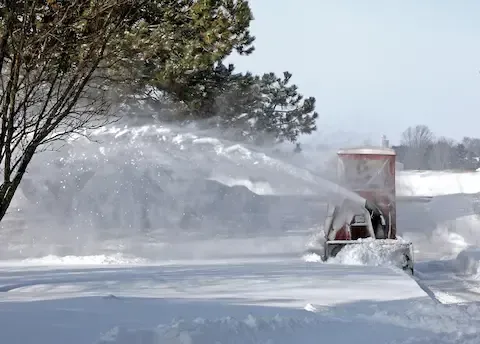
Full-service snow removal keeping Dubuque properties clear and compliant all winter.
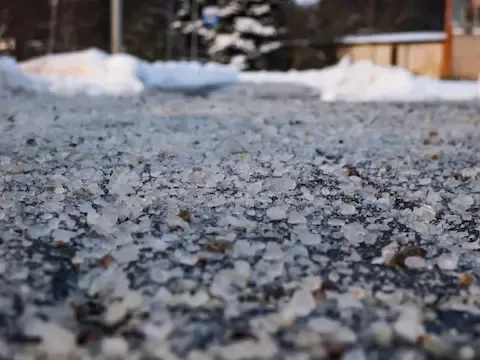
Professional ice management for Dubuque's freeze-thaw cycles and winter hazards.
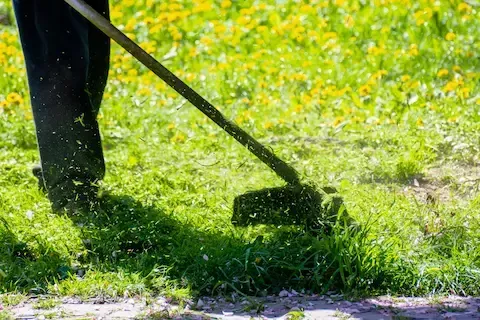
Crisp edges and clean lines that give your Dubuque lawn a finished look.
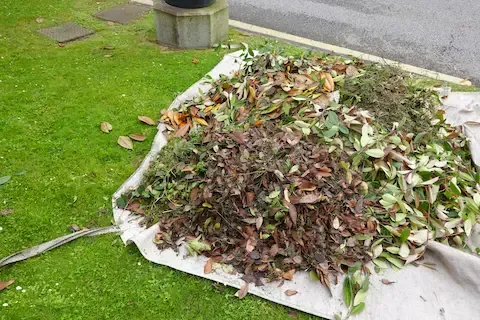
Fast debris removal and storm cleanup for Dubuque homes and properties.
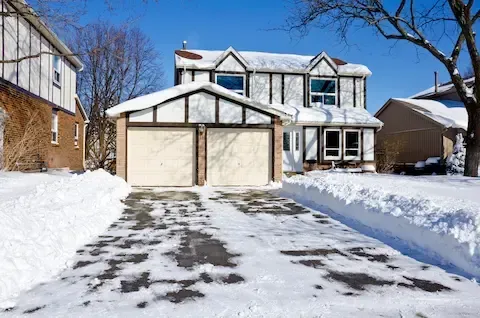
Reliable driveway clearing for Dubuque homes including steep bluff terrain properties.
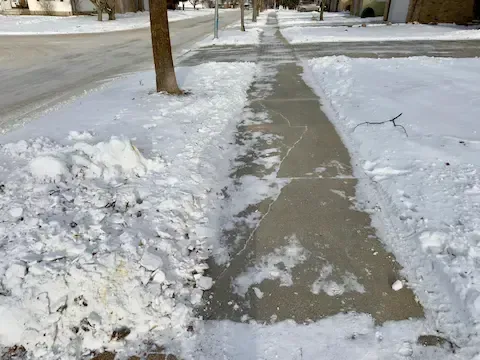
Full-width sidewalk clearing keeping Dubuque properties safe and ordinance-compliant.
Frequently Asked Questions
Lawn Care And Snow Removal can be complex, and we’re here to provide answers to common questions. Here are some frequently asked questions from our clients.
Frequently Asked Questions about Lawn Care Dubuque
How often should I mow my lawn in Dubuque?
During peak growing season from May through September, most Dubuque lawns need weekly mowing. Our Zone 5a bluegrass and ryegrass blends grow fastest when daytime temps stay between 60 and 75 degrees. We adjust frequency based on rainfall and your turf condition so you always get a clean cut without stressing the grass.
When does snow removal season start in Dubuque?
We typically begin snow removal operations in late November, though early storms can push that into October some years. Dubuque averages over 44 inches of snowfall per season, and our crews stay on call through late March. We monitor forecasts daily so your property is cleared before the city's 48-hour sidewalk ordinance deadline.
Do you offer year-round property maintenance?
We provide lawn care from spring through fall and snow removal through the winter months. Having one team handle your property all year means we know your landscape inside and out. Seasonal transitions like fall cleanup and spring recovery are built right into our service plans.
What areas do you service besides Dubuque?
We serve Dubuque and the surrounding tri-state area including Asbury, Peosta, Platteville, Galena, and Maquoketa. Whether you are in Dubuque County, across the river in Galena, or up in Grant County, our crews reach your property on schedule every visit.
How quickly can you respond after a snowfall?
Our goal is to have residential properties cleared within hours of snowfall ending. For contract customers, we prioritize early morning clearing so driveways and sidewalks are safe before you leave for work. Commercial accounts receive priority service during and after the storm.
Do I need to be home for lawn care service?
No, you do not need to be home. Once we set up your service schedule, our crew arrives on the assigned day and takes care of everything. We leave a door tag or send a text when the job is complete so you always know when we have been there.
Need Lawn Care And Snow Removal?
What Our Satisfied Clients Have to Say About Dubuque Lawn & Snow Pros
We pride ourselves on delivering great results and experiences for each client. Hear directly from home and business owners who’ve trusted us with their Lawn Care And Snow Removal needs.

We switched to one company for lawn and snow and it made all the difference. Our yard looked great all summer and the driveway was always clear before we left for work in the morning. Best decision we made for our property.
Sarah M., Dubuque Homeowner
Living on one of the bluff streets, finding someone willing to plow our steep driveway was tough. These guys handle it every storm without complaint and our lawn has never looked better either. Solid crew all around.
Tom R., Asbury Resident
I own a vacation rental in Galena and needed someone reliable for year-round upkeep. They handle the mowing, fall leaves, and winter snow clearing without me having to manage anything. My tenants are always happy with the property condition.
Linda K., Galena Property Owner
The Trusted Lawn Care And Snow Removal Expert Near You
Ready to hear more about expert services at Dubuque Lawn & Snow Pros?
Contact us today to receive a detailed, no-obligation quote.
Serving Dubuque and the surrounding area
24/7

