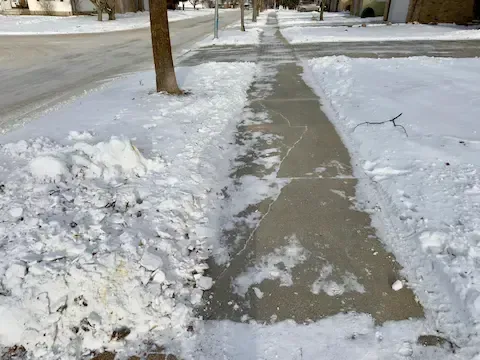
October Sidewalk Snow Plan for Dubuque IA Homeowners
An October sidewalk snow plan for Dubuque, IA homeowners means locking in your contractor, stocking ice melt, marking your walk with stakes, and knowing city ordinance deadlines before the first flake falls. Dubuque typically sees its first measurable snowfall in November, but waiting until then leaves you scrambling. October is the practical window to get every piece in place so your sidewalk stays clear, your liability stays low, and you stay on the right side of city code.
Step 1: Sign a Seasonal Sidewalk Clearing Contract
Local contractors in Dubuque fill their seasonal routes fast. By October, many crew schedules are already partially booked. Contact a Sidewalk Snow Clearing provider now and ask specifically about trigger depth, service windows, and whether the contract covers ice treatment or only snow removal. A written agreement protects you from price spikes mid-season and guarantees priority response when a storm hits the Dubuque metro on a weekday morning when everyone else is calling at once.
Step 2: Stock Your Ice Melt Before Shelves Empty
Hardware and home improvement stores in the Dubuque area regularly run out of ice melt during the first significant storm of the season. October is when supply is still plentiful and prices are at their lowest. Purchase enough product to cover your walkway through at least four storms. Rock salt works at temperatures above 15°F, which covers most Dubuque winter events, but calcium chloride performs better on nights that drop below that threshold. Store product in a sealed, dry container off the garage floor to prevent clumping.
Step 3: Walk Your Sidewalk and Mark Every Hazard
Before the ground freezes, walk your full sidewalk from the street edge to your front entry and identify anything that could complicate snow removal. Look for raised concrete joints, tree root cracks, buried sprinkler heads near the walk edge, and any sections where water pools and will refreeze. Insert driveway marker stakes every six to eight feet along the sidewalk border so a plow operator or shovel crew can follow the correct path without guessing. This step takes about fifteen minutes and prevents property damage all winter.
Step 4: Review Dubuque's Sidewalk Snow Ordinance
The City of Dubuque requires property owners to clear snow from public sidewalks adjacent to their property within a set timeframe after a storm ends. Before reviewing your specific responsibilities, read the sidewalk clearing rules primer to understand exactly what the ordinance covers, what counts as compliant clearing, and what fines apply for non-compliance. Violations are not just a fine risk—they also create a liability record if someone falls on an uncleared walk in front of your property. Knowing the rules in October means no surprises in January.
Step 5: Test Your Equipment Now
If you plan to handle any sidewalk clearing yourself, October is the time to pull out your snow shovel or single-stage electric blower and check its condition. Look for cracked handles, worn scraper edges, or a blower that needs a new belt or spark plug. Attempting to buy replacement parts or a new unit after Dubuque's first snowstorm means delays, empty shelves, and a walk that stays buried longer than city ordinance allows. A ten-minute equipment check in October solves a problem you will not want to solve in twenty-degree weather.
Step 6: Set Up a Storm Response Notification System
Establish a simple system for monitoring incoming storms before they arrive in the Dubuque area. Sign up for weather alerts through the National Weather Service, or use a local news app that sends push notifications when winter weather warnings are issued. When you have a seasonal contractor, confirm how they communicate service completion—some providers send text confirmation, others use an online portal. Knowing a storm is coming 24 to 48 hours in advance lets you apply a pre-treatment layer of ice melt, which reduces ice bonding and makes post-storm clearing significantly faster and more effective.
Step 7: Confirm Responsibility for Corner Lots and Shared Walks
If your Dubuque property sits on a corner lot, you are responsible for clearing two sidewalk sections, not one. Corner sidewalks also tend to accumulate more drift snow from street plowing operations. If you share a property line with a neighbor where a shared walk exists, clarify in writing who handles which section before winter starts. This conversation is far easier in October than it is at 6 a.m. after an overnight storm. Document the agreement briefly in a text message thread so both parties have a record.
