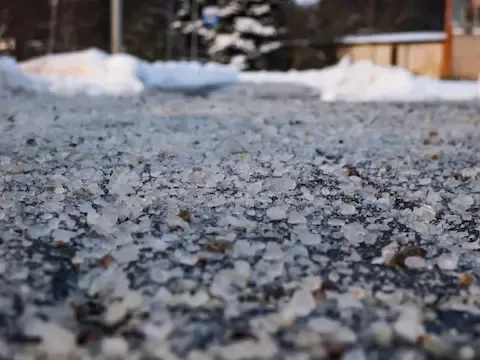
De-Icing in Dubuque IA: Salt, Brine, and Surface Care
Understanding De-Icing Materials and Applications
De-icing in Dubuque requires strategic material selection based on temperature ranges, surface types, and environmental conditions along the Mississippi River corridor. Rock salt remains the most common choice for temperatures above 15°F, while calcium chloride and magnesium chloride extend effectiveness down to sub-zero conditions typical of Iowa winters.
Rock salt works by lowering the freezing point of water through a chemical process called freezing point depression. When salt dissolves, it creates a brine solution that prevents ice formation and helps break down existing ice layers. The effectiveness diminishes as temperatures drop below 15°F, making alternative de-icers necessary during Dubuque's coldest periods.
Liquid brine applications offer proactive treatment options, particularly effective when applied before snow events. Pre-treating surfaces with brine solution creates a barrier that prevents snow and ice from bonding to pavement, making removal easier and reducing the total amount of de-icing material needed throughout the winter season.
Calcium chloride pellets generate heat through an exothermic reaction when dissolved, making them particularly effective for breaking through thick ice layers. This material works at temperatures as low as -25°F, providing reliable performance during extreme cold snaps that regularly affect the tri-state area.
Surface-Specific De-Icing Strategies
Concrete surfaces require careful consideration of de-icing material selection to prevent long-term damage. New concrete less than one year old is particularly vulnerable to salt damage, as the freeze-thaw cycles can cause spalling and surface deterioration when combined with chloride-based de-icers.
For concrete driveways and sidewalks, sand mixed with small amounts of salt provides traction while minimizing chemical exposure. This combination works especially well on textured surfaces where mechanical grip is as important as ice melting. The sand remains on the surface after ice melts, continuing to provide traction during subsequent freeze events.
Asphalt surfaces generally tolerate salt applications better than concrete, but excessive use can still cause deterioration over time. De-Icing asphalt requires attention to drainage patterns, as standing water mixed with salt can accelerate wear in low-lying areas where runoff collects.
Decorative pavers and stamped concrete need specialized attention during de-icing operations. These surfaces often have irregular textures and joint lines that can trap salt residue, leading to staining and gradual deterioration. Potassium chloride offers a gentler alternative for these premium surfaces, though at higher cost per application.
Timing and Application Techniques
Pre-treatment applications 24-48 hours before predicted snow events provide the most effective ice prevention strategy. Brine solutions applied during dry conditions penetrate surface pores and create a chemical barrier that prevents ice adhesion. This proactive approach reduces the total amount of material needed and improves overall effectiveness.
Application rates vary significantly based on temperature, surface type, and storm intensity. Light dust applications of 2-4 pounds per 1,000 square feet work for preventive treatments, while active storm conditions may require 6-8 pounds per 1,000 square feet for effective ice melting.
Timing applications during temperature transitions maximizes effectiveness while minimizing material waste. Applying de-icer during the warmest part of the day allows maximum penetration and dissolution before temperatures drop overnight. This strategy is particularly important during Dubuque's variable winter weather patterns.
Post-storm applications focus on breaking down remaining ice and preventing refreezing as temperatures fluctuate. Mechanical removal of loose snow before de-icing allows direct contact between chemicals and ice layers, improving efficiency and reducing total material requirements.
Environmental and Plant Protection Considerations
Salt accumulation in soil affects plant health throughout the growing season, making strategic application and spring cleanup essential for landscape preservation. Chloride ions remain in soil for extended periods, potentially causing root damage and reduced plant vigor in areas adjacent to treated surfaces.
Runoff management becomes critical in areas where de-icing chemicals can reach storm drains or natural waterways. Dubuque's proximity to the Mississippi River requires responsible application practices that minimize environmental impact while maintaining safety standards for pedestrian and vehicle traffic.
Alternative de-icing materials like potassium chloride, while more expensive, provide plant-safe options for areas near valuable landscaping. These materials break down into nutrients that plants can utilize, reducing long-term environmental impact compared to traditional rock salt applications.
Creating buffer zones between treated surfaces and sensitive plantings helps protect valuable landscape investments. Installing barriers or using sand-based traction aids in transition areas reduces direct chemical contact with plant root systems during critical winter months.
Equipment and Storage Requirements
Proper storage of de-icing materials prevents clumping and maintains effectiveness throughout the winter season. Rock salt absorbs moisture from air, creating hard clumps that interfere with spreader operation and even application rates. Covered storage areas with adequate ventilation prevent moisture accumulation while keeping materials accessible.
Spreader calibration ensures accurate application rates that balance effectiveness with cost control and environmental responsibility. Walk-behind spreaders work well for residential applications, while larger properties benefit from vehicle-mounted units that provide consistent coverage over extended areas.
Liquid application equipment requires freeze protection systems during storage and transport. Brine solutions can freeze in equipment lines, causing damage and operational delays during critical treatment periods. Heated storage tanks and insulated lines prevent these issues in professional applications.
Hand application tools remain important for detail work around steps, doorways, and landscape features where mechanical spreaders cannot provide precise coverage. Understanding proper granule distribution by hand ensures even melting without waste or surface damage.
Cost Management and Seasonal Planning
Bulk purchasing during off-season months provides significant cost savings compared to emergency purchases during active storm periods. Establishing supplier relationships and storage capacity allows property managers to take advantage of summer pricing for winter materials.
Application record keeping helps optimize material usage and budget planning for subsequent seasons. Tracking weather conditions, application rates, and effectiveness provides data for improving techniques and reducing waste over time.
Combining preventive treatments with reactive applications creates the most cost-effective approach to winter surface management. sidewalk clearing rules primer includes requirements that may influence material selection and application timing for compliance purposes.
Professional service contracts often provide better value than self-application for larger properties, as contractors have access to bulk materials, specialized equipment, and expertise in application techniques. Evaluating total costs including materials, equipment, storage, and labor helps determine the most economical approach.
Local Weather Pattern Adaptations
Dubuque's river valley location creates unique microclimates that affect de-icing strategies throughout the winter season. Areas near the Mississippi River experience temperature moderations that can cause rapid freeze-thaw cycles, requiring flexible material selection and application timing.
Wind patterns along the river corridor can redistribute applied materials, particularly during active storm conditions. Understanding local wind directions and intensity helps predict where additional applications may be needed and where materials might accumulate beyond intended areas.
Elevation changes throughout the city create varying temperature zones that affect ice formation and de-icer effectiveness. Higher elevations often experience longer periods below critical temperatures, requiring more aggressive treatment strategies compared to lower areas near the river.
Humidity levels influenced by river proximity affect ice formation patterns and material performance. Higher humidity can reduce the effectiveness of some de-icing materials while enhancing others, making local weather monitoring essential for optimal results.
Professional vs. DIY Considerations
Professional de-icing services provide expertise in material selection, application timing, and surface protection that individual property owners may lack. Licensed contractors understand local regulations, environmental requirements, and optimal techniques for various surface types common in Dubuque properties.
Equipment requirements for effective de-icing often exceed what individual homeowners can justify purchasing and maintaining. Professional services have access to calibrated spreaders, liquid application systems, and storage facilities that ensure consistent, effective treatments throughout the winter season.
Liability considerations make professional services attractive for commercial properties and homeowners concerned about slip-and-fall incidents. Professional contractors carry insurance coverage and understand legal requirements for maintaining safe walking and driving surfaces.
However, smaller residential properties with simple surface types may benefit from DIY approaches using basic materials and hand application techniques. Understanding when to apply materials, proper rates, and surface protection measures enables effective self-management of minor de-icing needs.
